Specialty Care
Orthodontist
Straighter teeth, a healthier bite, and a confident smile — at any age. We offer modern orthodontic options, from discreet clear aligners to traditional braces, matched to your needs and lifestyle.
Se habla español · Serving Downey, Pico Rivera, South Gate, Bellflower & nearby
Options we offer
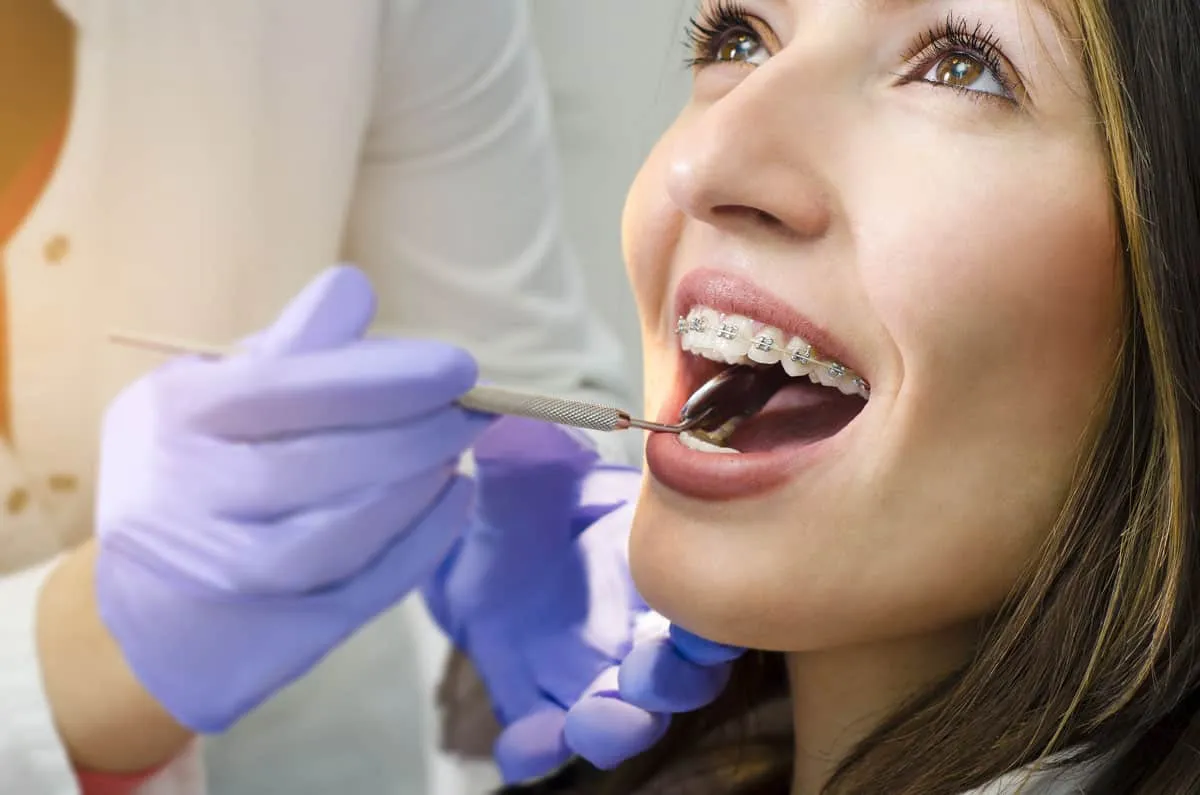
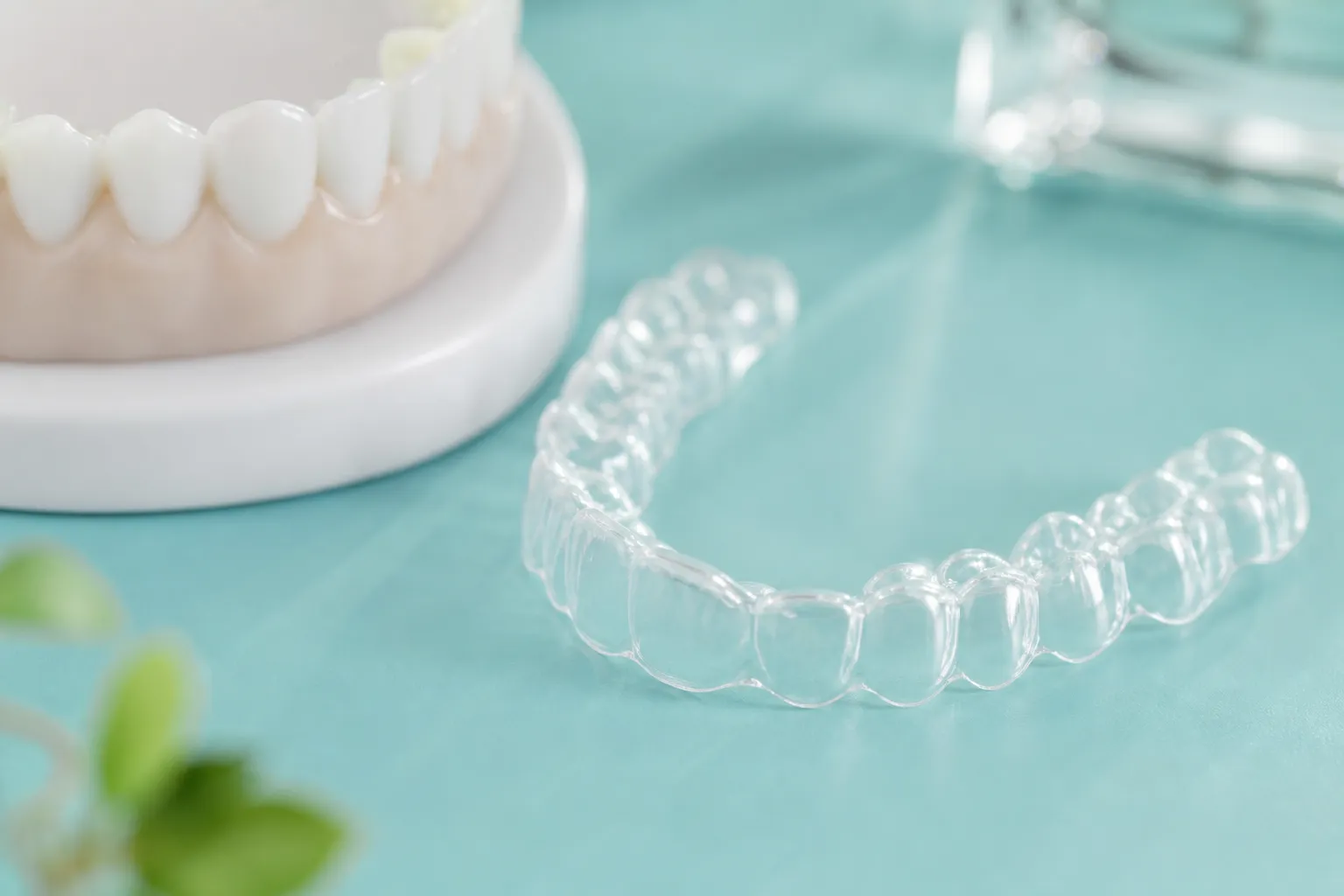
The right choice depends on your specific alignment and bite. Invisalign clear aligners are popular with adults and teens for being nearly invisible and removable, while traditional braces remain the best tool for certain complex corrections. We’ll review both with you at a consultation.
It’s never too late
Many of our orthodontic patients are adults. Healthy teeth can be straightened well into your later years, and clear aligners make treatment easy to fit around work and daily life. Most cases take 12–24 months depending on complexity.
Why straight teeth matter
- Straight teeth are easier to clean — fewer cavities and gum issues
- A balanced bite reduces uneven wear and jaw strain
- A confident smile you’re happy to share
Request an appointment with Dr. Sameer Aljanedi in Downey — book online or call our team. We welcome new patients, accept most PPO & HMO plans plus Denti-Cal and Medi-Cal, and se habla español.
FAQ
Frequently asked questions
What orthodontic options do you offer?
We help straighten teeth and correct bites with options including clear aligners like Invisalign and traditional braces. The best choice depends on your specific alignment and bite needs, your lifestyle, and your goals — which we review together at your consultation.
Is it too late to straighten my teeth as an adult?
It is never too late. Many of our orthodontic patients are adults, and clear aligners make treatment discreet and convenient for work and daily life. Healthy teeth can be straightened at almost any age.
How long does orthodontic treatment take?
Most cases take roughly 12 to 24 months depending on complexity, though minor corrections can finish sooner. We will give you a realistic timeline at your consultation and track your progress at regular visits.
How much do braces or aligners cost, and is it covered?
Cost depends on the treatment type and length. Many PPO and HMO plans include orthodontic benefits, and we offer financing to make treatment affordable. We provide a clear quote before you start.
Why do straight teeth matter beyond appearance?
Straighter teeth are easier to clean, which lowers your risk of cavities and gum disease, and a properly aligned bite reduces uneven wear and jaw strain. So orthodontics benefits both your health and your smile.