Oral Health
Gum Recession: Causes, Warning Signs, and Treatment Options in Downey
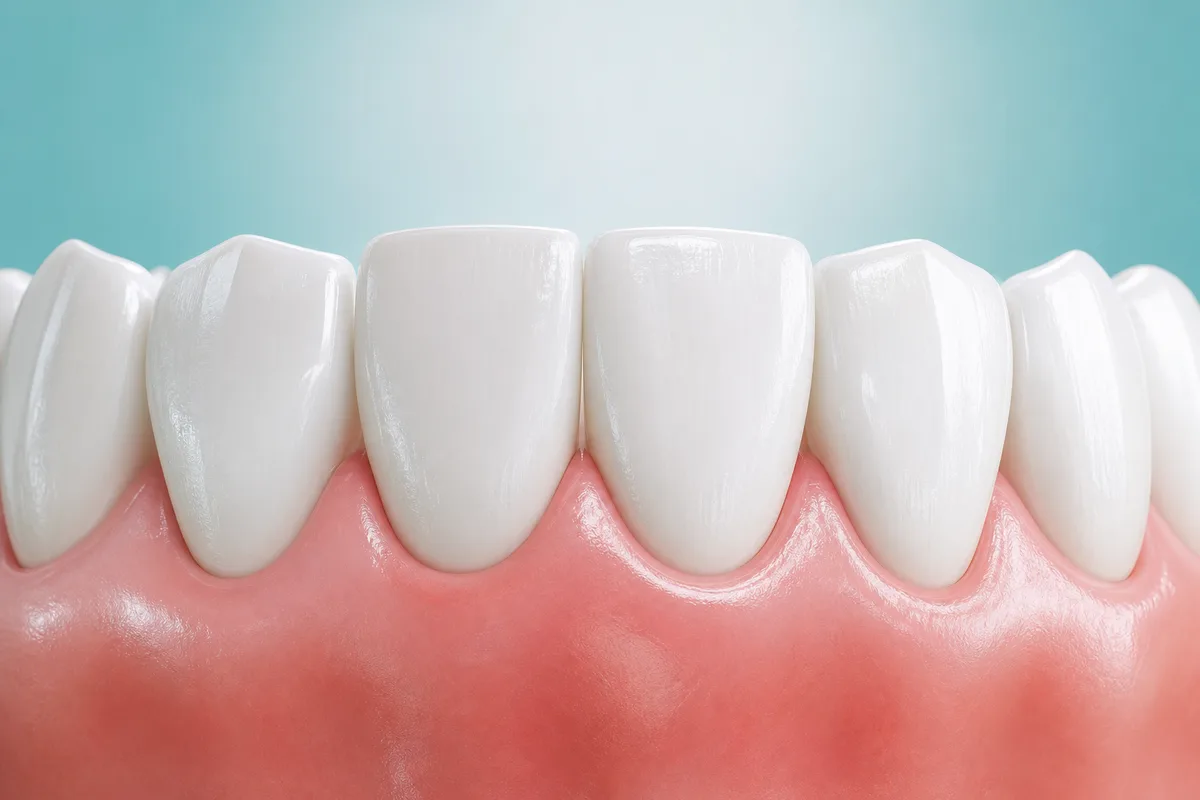
It usually starts with a small observation in the bathroom mirror: a tooth that looks a little longer than it used to, or a sudden zing of cold sensitivity near the gumline. Both are classic signs of gum recession — the slow retreat of gum tissue that exposes more of the tooth and, eventually, its root. Because it happens over years rather than overnight, most people don't catch it until something feels off. The good news is that the earlier you act, the more options you have.
The short version
- Gum recession is usually caused by gum disease, hard brushing, grinding, or genetics — and it will not reverse on its own.
- Watch for longer-looking teeth, notches at the gumline, and new cold sensitivity.
- No toothpaste "regrows" gums; treatment focuses on stopping the cause and protecting or grafting the exposed root.
- A soft brush, a night guard if you grind, and regular checkups keep it from progressing.
What's actually pulling your gums back
Recession almost always has a specific cause, and pinning it down is the key to stopping it. The usual culprits:
- Gum disease — the most common driver. Infection destroys the gum and the bone beneath it, and the tissue recedes as a result.
- Brushing too hard — a stiff brush and a heavy, side-to-side scrubbing motion physically wears the gumline away. This often shows up worse on the side you favor with your dominant hand.
- Grinding and clenching — chronic force flexes the teeth at the gumline and stresses the delicate tissue, sometimes leaving little notches called abfractions.
- Genetics — some people simply inherit thin, fragile gum tissue that recedes more easily.
- Tobacco — smoking and chewing both choke off blood flow to the gums and accelerate the loss.
- Orthodontic history or a misaligned bite that puts certain teeth under uneven strain.
- Lip or tongue piercings, which can rub against the gums and wear them down over time.
How to tell how far it's gone
Run your tongue or a fingernail along your gumline. A small step or notch where the enamel meets the root, roots that look darker or more yellow than the rest of the tooth, and cold sensitivity that's concentrated near the gums are all telltale signs. Exposed root surface is the real concern: roots aren't protected by enamel, so they pick up decay and sensitivity far more easily than the crown of the tooth. That's why recession is worth taking seriously rather than waiting out.
The honest truth about "growing gums back"
Here's what no toothpaste ad will tell you: gum tissue does not regenerate on its own once it's lost. So the realistic goals of treatment are to stop the recession, protect the exposed areas, and — when it's warranted — surgically restore coverage. Which path makes sense depends entirely on the cause and how advanced things are. Anyone promising that a special toothpaste or oil will "regrow" your gums is selling something.
Your treatment options
- Fix the cause first. If gum disease is behind it, a deep cleaning and ongoing periodontal care come before anything else — there's no point covering a root if the infection is still active.
- Change the mechanics. Switching to a soft-bristled brush, easing up on pressure, and using a gentle circular motion protects the tissue you still have. An electric brush with a pressure sensor can retrain a heavy hand.
- Take the load off. If grinding is the driver, a custom night guard relieves the forces quietly causing the damage.
- Restore and protect. Tooth-colored bonding can cover a sensitive, notched root; a crown may be the answer if there's decay or a lot of structure lost. Advanced cases can be referred for a gum graft to rebuild coverage.
Why catching it early changes everything
Recession is a one-way street if you ignore it — but a manageable, slow-moving condition if you don't. The difference between a patient who comes in at the first sign of a longer-looking tooth and one who waits until a root is decaying or a tooth is loose is enormous, both in comfort and in cost. Early on, the fix may be as simple as a softer brush and a night guard. Later, it can mean grafting or even losing the tooth. This is one of those situations where a five-minute mention at a routine checkup genuinely saves you trouble down the road.
Keeping it from coming back
Once we've addressed the cause, the maintenance is refreshingly simple: brush gently twice a day, clean between your teeth daily to control the plaque that fuels gum disease, use a sensitivity toothpaste if exposed roots bother you, and keep your regular checkups so we can watch those spots closely and catch any new movement early.
Common questions from Downey patients
Is gum recession an emergency? Usually not — but it won't reverse itself, and ignoring it lets it advance. Sudden pain, swelling, or a loose tooth, on the other hand, deserves prompt attention.
Will the sensitivity ever go away? Often, yes. Treating the cause and sealing the exposed root with bonding, fluoride, or a desensitizing toothpaste can make a real difference within a couple of weeks.
Do I need a gum graft? Only some cases do. Plenty of patients stabilize with better technique, a night guard, and periodontal care. We'll always start with the least invasive option that solves the problem.
Can an electric toothbrush cause recession? Not on its own — in fact, many help by limiting how hard you press. Recession comes from excessive force and abrasion, which a good electric brush with a pressure sensor actually reduces.
If your teeth look longer or feel sensitive at the gumline, don't wait for it to progress. Book an exam with Dr. Sameer Aljanedi in Downey — we'll find the cause and build a plan that fits your needs and budget, and ask about financing if you need it. Se habla español.
Have questions about your smile?
Dr. Sameer Aljanedi and the team at Rio Hondo Dental Office are here to help. Se habla español.