Family Dentistry
Custom Mouthguards for Downey's Spring Sports Season
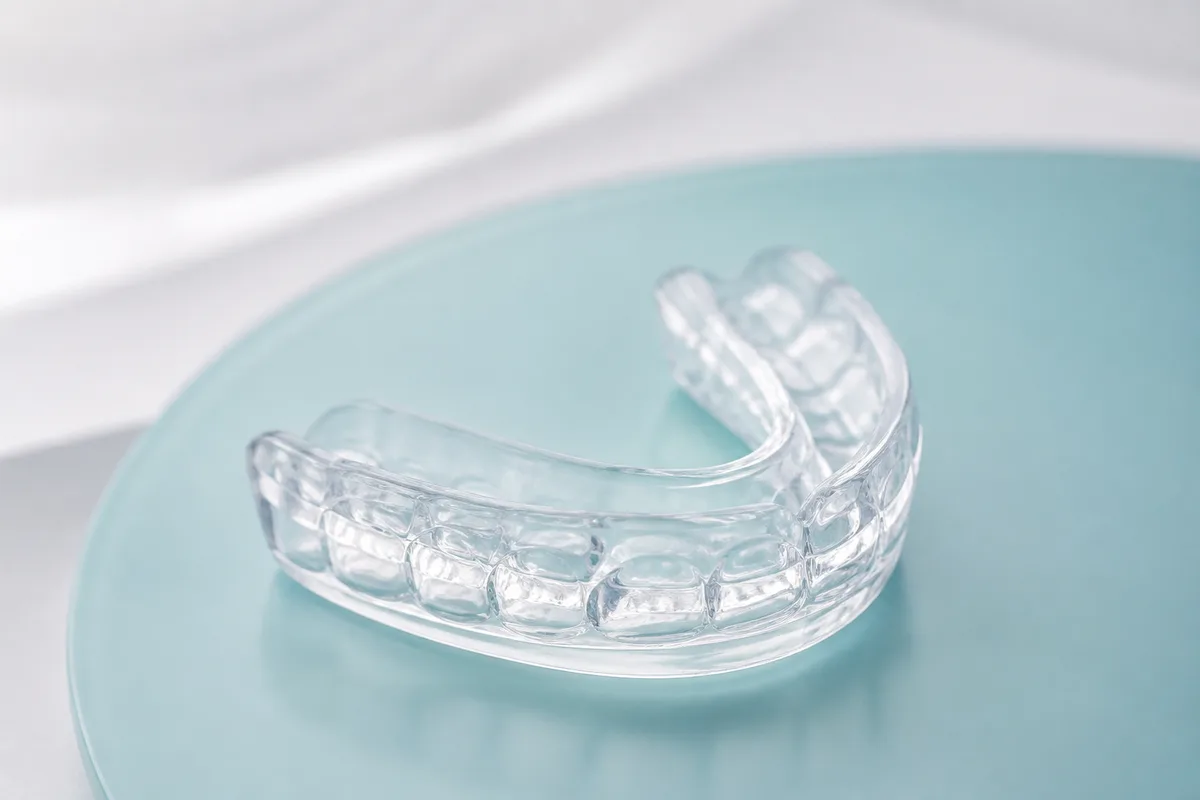
Spring sports light up Downey — baseball and softball diamonds, soccer pitches, lacrosse fields, the basketball gym. And with the games come the elbows, the collisions, and the line drive nobody saw coming. Dental injuries are among the most common sports injuries, and unlike a sprained ankle, a knocked-out front tooth doesn't heal on its own — it can mean decades of dental work for a kid. The cheapest insurance against all of that is a piece of equipment that fits in a pocket: a mouthguard.
The short version
- Dental injuries are among the most common sports injuries, and a lost adult tooth can mean a lifetime of dental work.
- A mouthguard protects teeth, lips, and jaw and may cushion impacts to the jaw joint.
- Custom guards fit better than stock or boil-and-bite, so kids actually keep them in.
- Most injuries come from sports without face protection — baseball, basketball, soccer — not just football.
- Kids with braces need a custom guard designed around their treatment.
- For a knocked-out tooth, keep it moist in milk and call us within the hour.
- Store a guard in a ventilated case, never a hot car, which warps it.
- Bring the guard to checkups so we can re-fit it as your child grows.
- A custom guard is inexpensive compared with repairing or replacing a knocked-out tooth.
What a mouthguard is really protecting
It's not just teeth. A well-made guard cushions blows to the face, helping shield the teeth, lips, tongue, and jaw, and by absorbing and spreading impact it may reduce the force transmitted to the jaw joint. A lost adult tooth at age twelve isn't a one-time fix — it typically leads to a lifetime of replacements and maintenance, often eventually an implant. Set against that, a custom guard is one of the best-value purchases in youth sports.
The three types, and why fit decides everything
- Stock guards are pre-formed and cheap, but bulky and loose. They make it hard to talk or breathe, so they spend most of the season in the gym bag — which protects nothing.
- Boil-and-bite guards soften in hot water and mold to the teeth. They're a fine stopgap, but they tend to thin out over the very teeth that take the hardest hits, and the fit is rarely precise.
- Custom-made guards are built from an exact impression of your child's teeth. They fit snugly, stay put, allow normal breathing and speech, and provide even protection across every tooth. The decisive advantage is simple: because it's comfortable, kids actually keep it in.
The braces question
If your child wears braces or is in orthodontic treatment, a custom guard isn't optional — it's important. It protects both the teeth and the brackets from impact, and it can be designed to accommodate teeth that are actively shifting. Never jam a tight boil-and-bite guard over braces; it won't seat correctly and can damage the hardware or the appliance.
Which sports actually need one?
Parents often assume mouthguards are just for football, but most dental injuries we see come from sports without mandatory face protection. Baseball and softball (that ball comes in fast), basketball (all those elbows under the rim), soccer (head-to-head and goalpost collisions), lacrosse, wrestling, skateboarding, and even competitive cheer all carry real risk to the front teeth. The rule of thumb: if there's a ball, a stick, a hard surface, or another body moving at speed, a guard is worth wearing. It's cheap protection for the part of your child's smile that shows in every photo for the rest of their life.
Keeping a guard clean and effective
- Rinse it before and after every use, and brush it gently with a toothbrush
- Let it air-dry, then store it in a ventilated case — never the cup holder of a hot car, where heat warps it
- Check it for tears, thin spots, or a fit that's gotten loose as your child grows
- Bring it to checkups so we can inspect it and re-fit when their teeth change
If an injury has already happened
Speed matters most with a knocked-out permanent tooth: find it, pick it up by the crown rather than the root, keep it moist in milk or even saliva, and call us right away — the best chance of saving it is within the first hour. For a chipped tooth, save any fragments and bring them in. Our emergency dental team handles sports injuries, and our family dentistry office can take care of the whole roster of siblings in one place.
Common questions from Downey sports families
What age should my child start wearing one? As soon as they play a contact or collision sport — even in youth leagues, where falls and stray equipment are common.
How long does a custom guard last? Often a season or two, but a fast-growing mouth may need a new one sooner. We check the fit at regular visits.
Aren't custom guards a lot more expensive? They cost more than a drugstore guard, but they're modest compared to repairing a knocked-out tooth — and they're the ones kids actually wear, which is the entire point.
Can my child wear a guard with a retainer? They shouldn't play sports in a retainer. We'll make a guard that fits their current stage of treatment and keeps both teeth and appliances safe.
Before the season heats up, book a quick visit for a custom mouthguard with Dr. Sameer Aljanedi in Downey. Protecting that smile now beats rebuilding it later. Se habla español.
Have questions about your smile?
Dr. Sameer Aljanedi and the team at Rio Hondo Dental Office are here to help. Se habla español.